 en
en
 ko
ko
 ru
ru
 es
es
 ar
ar
 hi
hi

Inconel 625 Bar: Properties, Specifications, Forms, and Selection Guide
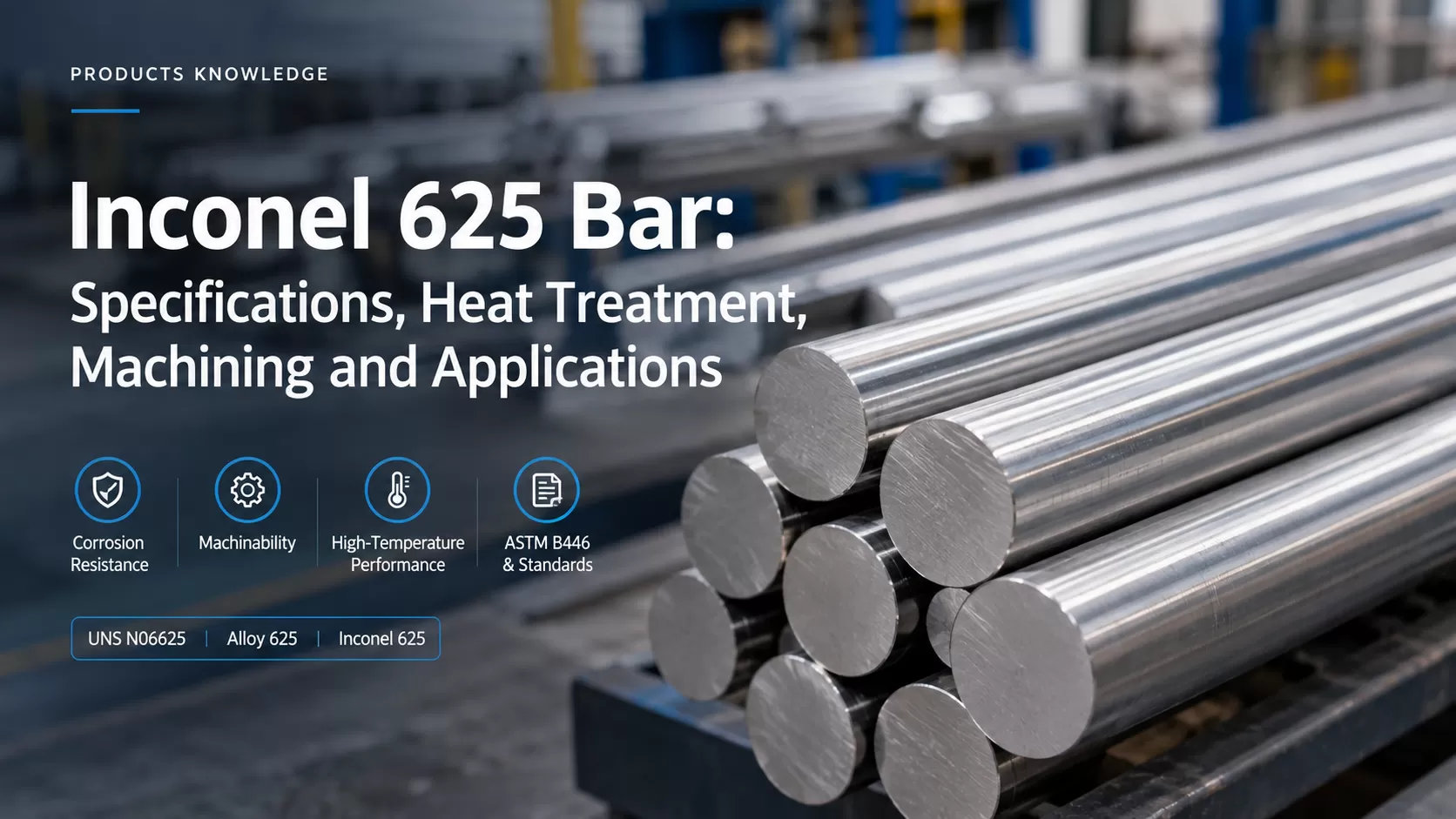
Inconel 625 bar is a nickel-based alloy product used in demanding environments where corrosion resistance, mechanical strength, and fabrication performance must work together. Designated as UNS N06625 and commonly identified as Alloy 625 or W.Nr. 2.4856, this alloy is used in marine engineering, chemical processing, energy systems, and other applications requiring reliable performance under challenging service conditions.
Selecting an Inconel 625 bar involves more than confirming the alloy grade. Buyers and engineers also need to consider the applicable product specification, manufacturing route, heat treatment condition, dimensions, machining requirements, and inspection documentation. This guide explains these factors to help procurement teams specify the right material for their projects.
1. What Is Inconel 625 Bar?
Inconel 625 is a nickel-chromium-molybdenum-niobium alloy known for its combination of corrosion resistance, strength, and fabricability. Its strengthening mechanism relies primarily on solid-solution strengthening, with molybdenum and niobium contributing significantly to its mechanical performance.
Unlike precipitation-hardened alloys such as Inconel 718, Alloy 625 is not normally strengthened through a conventional age-hardening treatment. This distinction is important when specifying material condition, planning machining operations, and evaluating mechanical property requirements.
The principal designation and identification references include:
- Common alloy name: Inconel 625 / Alloy 625
- UNS designation: N06625
- Werkstoff number: 2.4856
- Alloy family: Nickel-chromium-molybdenum-niobium alloy
- Primary strengthening mechanism: Solid-solution strengthening
For a broader explanation of the alloy's composition, metallurgy, corrosion behavior, and engineering applications, see our comprehensive technical review of Alloy 625. This article focuses specifically on bar products and their selection requirements.
2. Key Properties of Inconel 625 Bar
2.1 Corrosion Resistance
Inconel 625 offers strong resistance to many oxidizing and reducing environments. Chromium contributes to oxidation resistance, while molybdenum and niobium help improve performance in chloride-containing environments and other aggressive service conditions.
These characteristics make the alloy a candidate for marine hardware, chemical processing equipment, pump components, valve parts, and other components exposed to corrosive fluids. However, no nickel alloy is universally resistant to every chemical environment. Actual suitability depends on the chemical species, concentration, temperature, flow conditions, and exposure duration.
2.2 Mechanical Strength and Toughness
Alloy 625 combines useful tensile strength with good toughness and fabricability. Its mechanical properties depend on the product specification, bar diameter, manufacturing route, and supplied heat treatment condition. Consequently, a property value taken from a general alloy datasheet should not automatically be applied to every bar size or delivery condition.
2.3 High-Temperature Performance
The alloy is used in elevated-temperature environments because of its oxidation resistance and mechanical performance. Nevertheless, a maximum temperature quoted in a general material overview is not a universal design limit. Long-term exposure, applied stress, thermal cycling, oxidation, and the governing engineering code must all be considered when establishing allowable service conditions.
3. Round Bar, Hex Bar, Square Bar and Other Forms
The required bar geometry depends on the component design, machining allowance, and downstream manufacturing process. Commonly specified forms include round bars, hexagonal bars, and square bars. Other forms, such as rectangular sections, billets, or forged stock, may be available subject to the supplier's manufacturing and sourcing capabilities.
Inconel 625 Round Bar
Inconel 625 round bar is suitable for machining into shafts, pins, fasteners, valve components, and other cylindrical parts. Buyers should specify the finished diameter, required length, dimensional tolerance, surface condition, and any machining allowance.
Inconel 625 Hex Bar
Hexagonal bar can be useful for components requiring wrenching surfaces or a hexagonal starting profile. The across-flats dimension, straightness, length, and dimensional tolerance should be confirmed against the component drawing and purchase specification.
Inconel 625 Square Bar
Square bar can serve as feedstock for machined blocks, fixtures, supports, and other components where a square cross-section reduces initial material-removal requirements. The buyer should confirm whether the application requires hot-finished, cold-worked, or machined surfaces.
To compare available bar geometries and other nickel alloy grades, visit the Nickel Alloy Bars and Rods product category.
4. ASTM B446 and Other Applicable Specifications
ASTM B446 is a relevant product specification for nickel-chromium-molybdenum-niobium alloy bars and rods, including Alloy 625. Depending on the application, a purchaser may also encounter aerospace material specifications such as AMS 5666. These specifications are not interchangeable: each defines its own requirements for material condition, testing, and acceptance.
Before placing an order, confirm the exact specification and revision required by the drawing, purchase order, or governing engineering code. Do not select a standard solely because it appears on a generic alloy data sheet.
Important checks include:
- Correct alloy designation and UNS number.
- Applicable product specification and revision.
- Required heat treatment or delivery condition.
- Chemical composition and mechanical test requirements.
- Dimensional tolerances and surface quality.
- Required inspection reports, traceability, and certification.
For projects with strict quality or regulatory requirements, the order should identify the applicable testing and acceptance criteria explicitly. Compliance should be demonstrated by the actual material documentation rather than inferred from the alloy name alone.
5. Heat Treatment and Material Condition
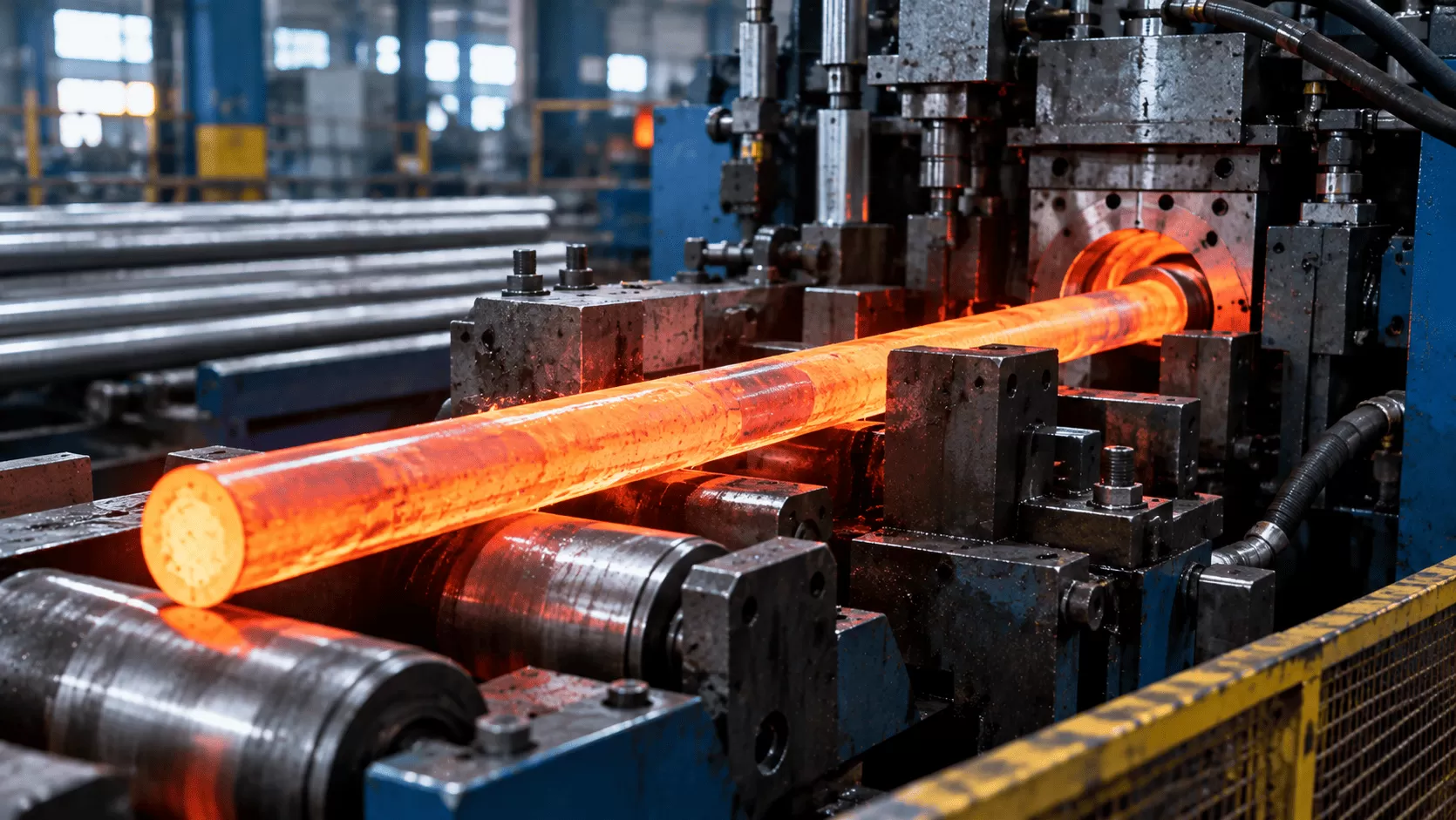
Heat treatment affects the microstructure and mechanical properties of Inconel 625 bar. The appropriate condition depends on the governing specification, bar size, manufacturing history, and intended service.
Solution annealing is commonly used to establish a suitable metallurgical condition and restore properties following certain processing operations. However, the precise temperature, holding time, cooling method, and acceptance requirements must be selected according to the applicable specification and material history.
Inconel 625 should not be treated as though it follows the same age-hardening route as Inconel 718. Although prolonged thermal exposure can cause precipitation and microstructural changes under certain conditions, conventional precipitation-aging treatment is not the primary strengthening method for Alloy 625.
Buyers should therefore specify the required delivery condition and mechanical properties rather than requesting an undefined “aged condition.” Where the component will undergo further heat treatment after machining, the supplier and component designer should agree on the intended processing sequence.
6. Machining and Fabrication Considerations
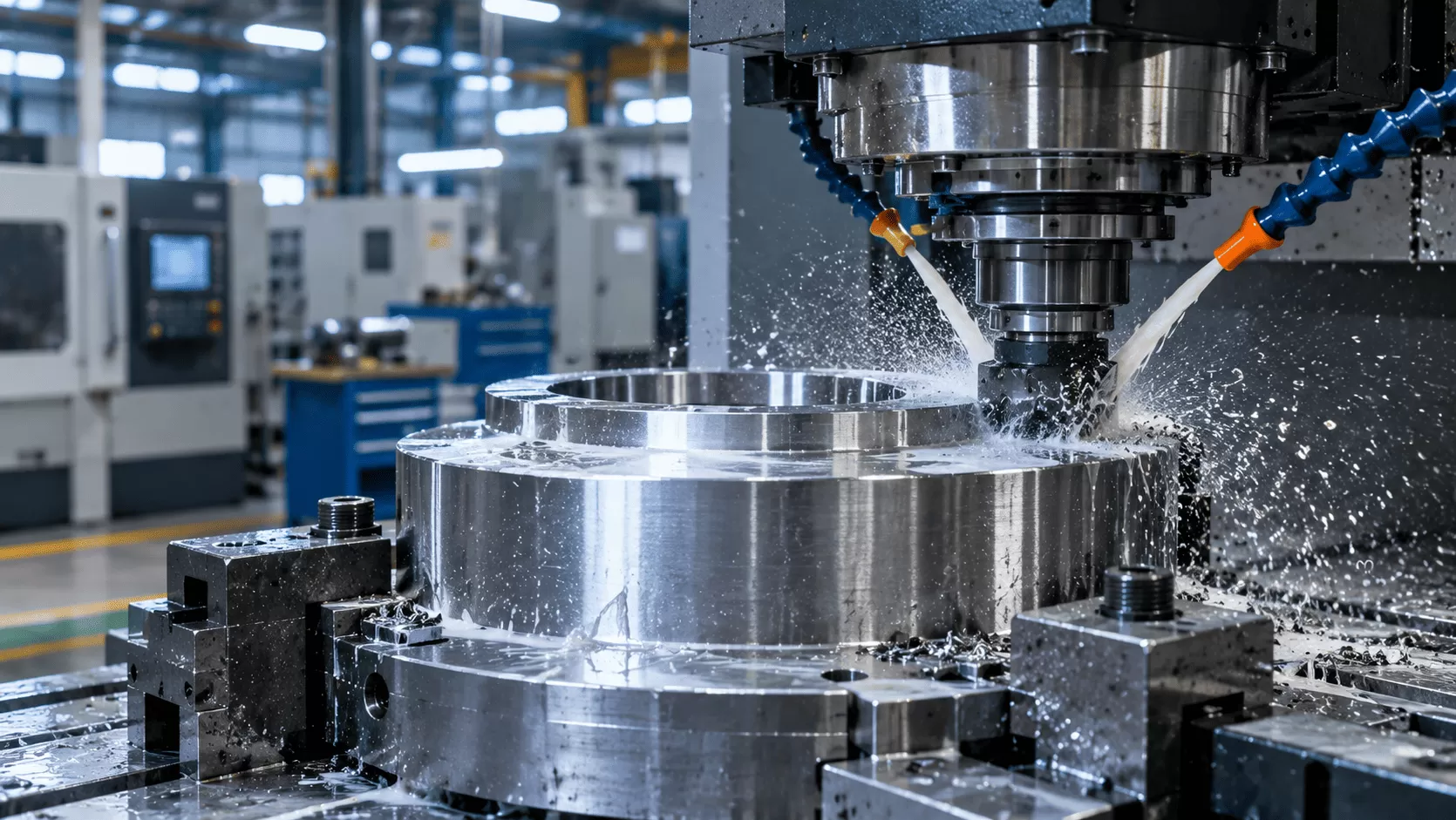
Inconel 625 can be machined using established metalworking methods, but it requires more careful process control than many conventional stainless steels. Its tendency to work harden, combined with its strength and relatively low thermal conductivity, can increase cutting forces and tool wear.
Common machining considerations include:
- Tooling: Select cutting tools suitable for nickel-based alloys and the intended operation.
- Work hardening: Avoid unnecessary rubbing and interrupted cutting conditions that can harden the surface.
- Rigidity: Maintain a rigid workholding and machine setup to reduce vibration and dimensional variation.
- Cutting parameters: Establish appropriate speed, feed, depth of cut, and coolant strategy through validated machining procedures.
- Stock allowance: Allow sufficient material for cleanup and final dimensional control.
The most economical starting stock is not necessarily the smallest available diameter. Buyers should balance material utilization, machining time, tolerance requirements, and the cost of additional processing when choosing bar dimensions.
7. Applications of Inconel 625 Bar
Marine and Offshore Engineering
Its resistance to seawater-related corrosion and localized attack makes Alloy 625 a candidate for selected marine components, fasteners, shafts, and offshore equipment. Suitability must still be evaluated against the actual exposure conditions and mechanical loads.
Chemical Processing
Inconel 625 bar can be machined into selected valve parts, pump components, fittings, and other equipment used in corrosive chemical environments. The specific medium, concentration, temperature, and flow conditions should be reviewed before finalizing the material.
Energy and High-Temperature Equipment
The alloy is used in certain high-temperature and energy-related components where corrosion resistance and mechanical performance are both important. Design temperature, stress, cyclic loading, and applicable code requirements should determine whether Alloy 625 is appropriate for the intended duty.
Aerospace and Industrial Manufacturing
Depending on the required specification and certification level, Alloy 625 bar may be used as stock for machined components requiring corrosion resistance, toughness, and fabrication flexibility. Aerospace projects should identify the exact aerospace material specification and required traceability.
8. Inconel 625 Bar vs. Inconel 718 Bar
Inconel 625 and Inconel 718 are both nickel-based superalloys, but their strengthening mechanisms and engineering priorities differ.
| Selection factor | Inconel 625 | Inconel 718 |
|---|---|---|
| Primary strengthening | Solid-solution strengthening | Precipitation hardening |
| Key design consideration | Corrosion resistance, fabricability, and strength | High mechanical strength after the specified heat treatment |
| Typical evaluation priorities | Corrosive media, temperature, fabrication, and mechanical loading | Strength, fatigue, temperature, and heat treatment condition |
| Procurement focus | Product specification, condition, dimensions, and corrosion requirements | Product specification, heat treatment, mechanical properties, and certification |
Neither alloy is universally superior. If corrosion resistance and fabrication requirements dominate, Alloy 625 may be a suitable candidate. If the component requires very high strength after controlled precipitation-hardening treatment, Alloy 718 may be more appropriate. Final selection requires evaluation of the complete service conditions and specification.
For a more detailed material-level comparison, read our guide to choosing the right high-performance alloy. You can also explore the available Inconel 718 and other nickel alloy bar grades.
9. How to Specify Inconel 625 Bar
A complete purchase specification helps suppliers quote the correct product and reduces the risk of receiving material that does not meet the project's requirements.
Before requesting a quotation, prepare the following information:
- Grade: Inconel 625 / Alloy 625 / UNS N06625.
- Product specification: The applicable ASTM, AMS, or other required standard and revision.
- Shape: Round, hexagonal, square, or another specified form.
- Dimensions: Diameter or cross-sectional dimensions, length, tolerance, and quantity.
- Material condition: Required heat treatment and mechanical properties.
- Surface requirements: Hot-finished, cold-worked, peeled, ground, polished, or other agreed finish.
- Inspection documents: Required mill test certificate, chemical analysis, mechanical test results, and additional inspection records.
- Delivery requirements: Packing, marking, traceability, destination, and delivery schedule.
For material traceability, the purchase order should specify the required certificate standard and inspection level. For example, EN 10204 Type 3.1 or Type 3.2 documentation may be required depending on the contract and project quality plan; these should not be assumed to be interchangeable or automatically included in every order.
Buyers looking for available sizes and product configurations can review Inconel 625 bar specifications and supply options. Confirm the exact size range, material condition, and documentation with the supplier before order placement.
10. Frequently Asked Questions
Is Inconel 625 bar the same as Alloy 625 bar?
Both names commonly refer to the nickel-chromium-molybdenum-niobium alloy identified as UNS N06625. The term Inconel is a trademark, while Alloy 625 is a widely used generic designation. The material specification and certification should be checked to confirm the actual grade supplied.
Which standard applies to Inconel 625 bar?
ASTM B446 is a relevant specification for Alloy 625 bars and rods. Other specifications may apply to particular industries or delivery conditions. Always confirm the exact standard required by the drawing, purchase order, and applicable engineering code.
Can Inconel 625 bar be machined?
Yes. Alloy 625 can be machined, but work hardening and cutting-tool wear require appropriate tooling, stable workholding, and controlled machining parameters.
Does Inconel 625 bar require age hardening?
No conventional age-hardening treatment is normally required to develop its primary strengthening mechanism. Alloy 625 relies primarily on solid-solution strengthening. The required heat treatment should be determined by the product specification and application.
What information is needed for an Inconel 625 bar quotation?
Provide the grade, applicable standard, bar shape, dimensions, quantity, delivery condition, inspection requirements, and destination. Drawings and project-specific acceptance requirements are also helpful when the bar will be machined into a critical component.
Conclusion
Inconel 625 bar is a versatile nickel alloy product for applications that require a balance of corrosion resistance, strength, and fabrication performance. Successful material selection depends on matching the grade and product specification to the service environment, machining process, dimensional requirements, and inspection criteria.
Ronsco supplies a range of nickel alloy bar grades and product forms. Explore our Inconel 625 bar product page or browse the complete bars and rods range to review available options and submit your project requirements.
For more technical resources on nickel alloy grades, material properties, and selection criteria, visit the Nickel-Based Alloys Guide and explore our Blog knowledge resources.