Meta Title: Inconel Material Grades: How to Choose the Right Grade
Meta Description: Learn the differences between Inconel 600, 625, 718, 601, 690, X-750, 713C and 738. Compare properties, applications and choose the right alloy.
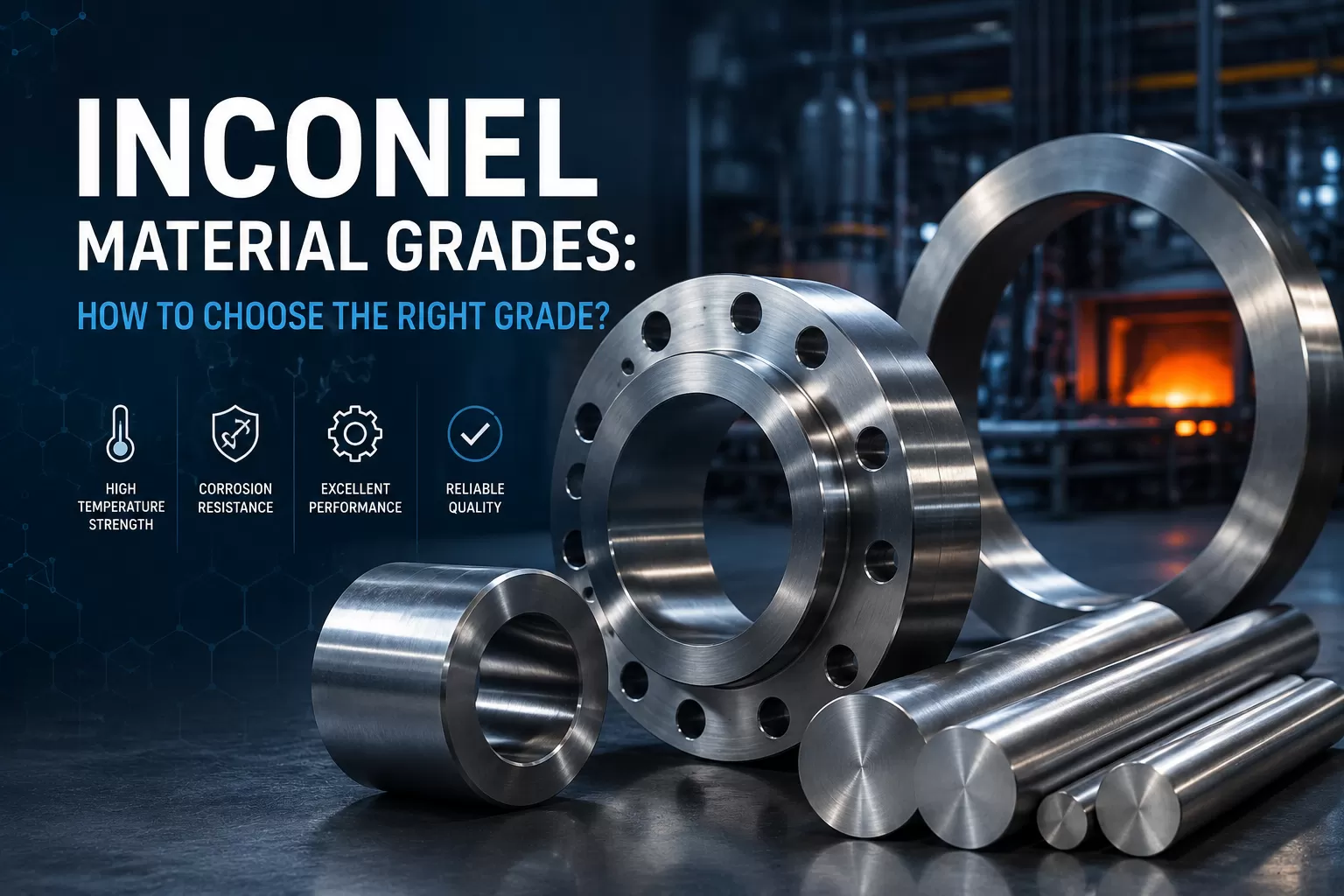
Selecting the right Inconel material grade is one of the most important decisions when designing components for high-temperature, corrosive, or high-pressure environments. Although all Inconel alloys belong to the family of nickel-based superalloys, each grade has been engineered for a different combination of mechanical strength, corrosion resistance, oxidation resistance, manufacturability, and operating temperature.
For example, Inconel 625 is widely recognized for its exceptional corrosion resistance, while Inconel 718 is preferred for high-strength aerospace forgings. Inconel 600 performs well in oxidizing environments, whereas Inconel 713C and Inconel 738 are specifically developed for high-temperature cast turbine components.
This guide compares the most commonly used Inconel grades, explains their key differences, and provides practical recommendations to help engineers, buyers, and project managers select the most suitable alloy for their applications.
"Inconel" is not a single material but a family of nickel-chromium-based alloys developed for demanding industrial environments. Depending on the alloy composition and strengthening mechanism, each grade is optimized for different service conditions.
Some alloys focus on corrosion resistance, while others are designed to maximize high-temperature strength or oxidation resistance. Certain grades are primarily supplied as wrought products such as bars, plates, pipes, and forgings, while others are manufactured as precision investment castings.
Understanding these differences is the first step toward selecting the right alloy.
Industrial applications rarely have identical operating conditions. Components may experience:
No single alloy performs best under every condition. Instead, each Inconel grade is engineered to optimize one or more of these performance characteristics.
| Grade | Main Advantage | Maximum Service Focus | Typical Manufacturing | Typical Industries |
|---|---|---|---|---|
| Inconel 600 | General oxidation resistance | High temperature | Wrought | Chemical, Furnace |
| Inconel 601 | Excellent oxidation resistance | Very high temperature | Wrought | Heat Treatment |
| Inconel 625 | Outstanding corrosion resistance | Marine & Chemical | Wrought / Forged | Offshore, Oil & Gas |
| Inconel 690 | Chloride SCC resistance | Nuclear | Wrought | Nuclear Power |
| Inconel 718 | Extremely high strength | Aerospace | Forged / Rolled | Aerospace, Energy |
| Inconel X-750 | Spring strength at temperature | Thermal fatigue | Wrought | Nuclear, Gas Turbine |
| Inconel 713C | High-temperature cast strength | Turbine blades | Investment Casting | Aerospace |
| Inconel 738 | Excellent creep resistance | Advanced turbines | Investment Casting | Power Generation |
Inconel 600 is one of the earliest commercial nickel-chromium alloys and remains one of the most versatile materials for elevated-temperature service. It is a Nickel-Chromium-Iron alloy with good corrosion resistance, oxidation resistance, and high strength at high temperatures. Inconel 600 is highly resistant to chloride-ion stress-corrosion cracking due to its high nickel content.
Key Characteristics:
Typical Applications:
Choose Inconel 600 when oxidation resistance and long-term stability are more important than extremely high mechanical strength.
Inconel 601 was developed to provide even better oxidation resistance than Inconel 600 through increased aluminum content. The most important property of Alloy 601 is resistance to oxidation at very high temperatures up to 1250 °C, even under severe conditions such as cyclical heating and cooling.
Best For:
Its excellent oxide scale stability makes it particularly suitable for repeated thermal cycling.
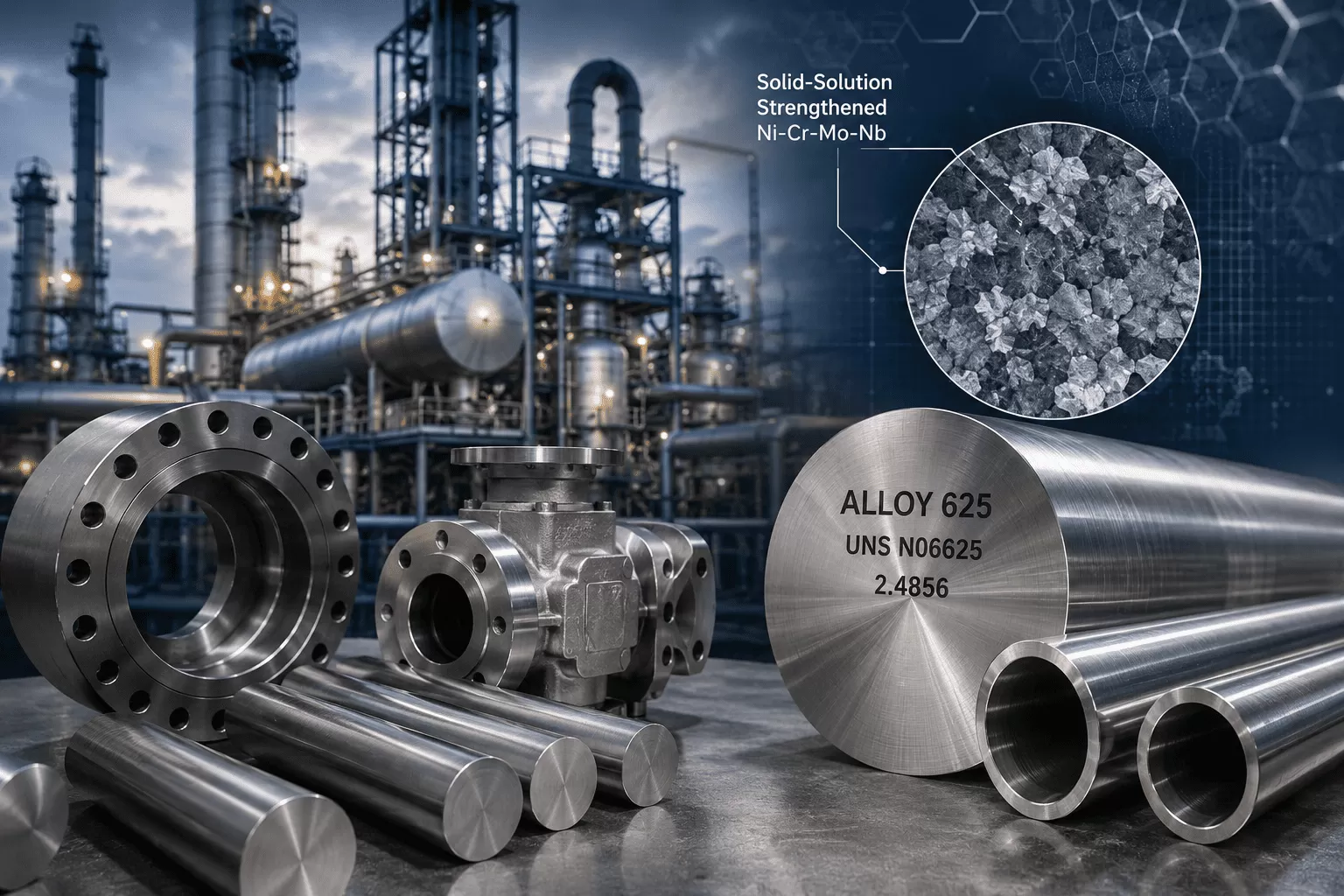
Among all commercially available Inconel grades, Inconel 625 is one of the most corrosion-resistant. Rather than relying primarily on precipitation hardening, it obtains strength through solid-solution strengthening from molybdenum and niobium.
Major Advantages:
Common Applications:
If corrosion is your biggest concern, Inconel 625 is usually the first alloy to consider. It is a favourable choice for seawater applications.
Inconel 690 contains a significantly higher chromium content than many other Inconel grades. This provides exceptional resistance to chloride stress corrosion cracking and high-temperature oxidation.
Typical applications include:
It is widely used in the nuclear industry because of its excellent environmental resistance.
Inconel 718 is the world's most widely used precipitation-hardening nickel superalloy. Its popularity comes from its exceptional combination of:
Unlike many cast superalloys, Inconel 718 can also be forged into complex components.
Typical products include:
Industries include:
If structural strength is your highest priority, Inconel 718 is often the preferred choice.
Inconel X-750 is another precipitation-hardening alloy designed for components subjected to repeated thermal loading. It offers excellent resistance to relaxation and is widely used for springs operating at elevated temperatures.
It is commonly used for:
The alloy combines high strength with good oxidation resistance over a wide temperature range.
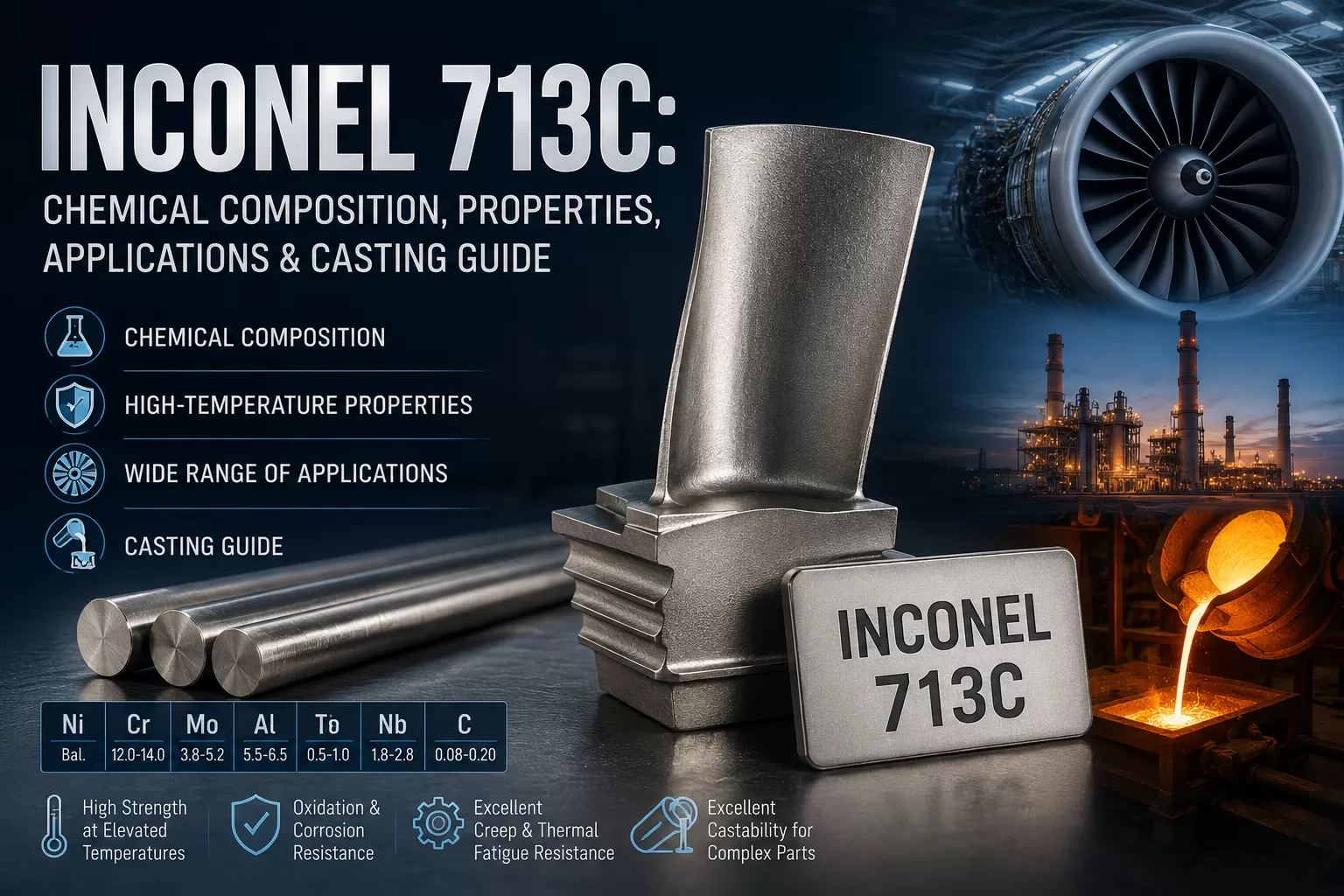
Unlike Inconel 718, Inconel 713C is primarily a cast nickel-based superalloy. Its chemistry is optimized to maximize:
Typical applications include:
It is ideal for complex cast components operating at elevated temperatures.
Inconel 738 was developed to provide even higher creep resistance than earlier cast superalloys. Its excellent resistance to long-term deformation makes it particularly suitable for:
It remains one of the most important cast superalloys used in modern gas turbine technology.
Instead of asking, "Which Inconel alloy is the best?" engineers should ask, "Which alloy best matches my operating conditions?"
The following selection guide provides a practical starting point. For a broader perspective on material selection, you may also refer to our article on Inconel vs. Titanium.
| Requirement | Recommended Grade |
|---|---|
| General high-temperature service | Inconel 600 |
| Superior oxidation resistance | Inconel 601 |
| Marine environments | Inconel 625 |
| Chemical processing | Inconel 625 |
| Nuclear power | Inconel 690 |
| Aerospace forgings | Inconel 718 |
| High-strength rotating parts | Inconel 718 |
| High-temperature springs | Inconel X-750 |
| Turbine castings | Inconel 713C |
| Advanced turbine blades | Inconel 738 |
When selecting a material, engineers should evaluate:
Material selection is always a balance between performance, manufacturability, and cost.
Which Inconel grade has the highest strength?
Inconel 718 is generally regarded as the highest-strength wrought Inconel alloy and is widely used for aerospace structural components and forged turbine parts.
Which Inconel alloy has the best corrosion resistance?
Inconel 625 is generally considered one of the best choices for highly corrosive marine and chemical processing environments.
Which Inconel grade is best for turbine blades?
For investment-cast turbine blades, Inconel 713C and Inconel 738 are commonly selected because of their excellent high-temperature creep resistance and casting performance.
Which Inconel alloy is easiest to weld?
Among the most common grades, Inconel 625 offers excellent weldability while maintaining outstanding corrosion resistance.
Which Inconel grade should I use for forging?
Inconel 718 is the most common choice for forged aerospace and industrial components because it combines high strength with good forgeability and heat-treatment capability.
Choosing the right Inconel grade requires more than comparing mechanical properties. Each alloy has been engineered to solve a different engineering challenge, whether that is resisting seawater corrosion, maintaining strength under extreme temperatures, or producing complex turbine castings.
For corrosion-resistant applications, Inconel 625 is often the preferred solution. For high-strength forged components, Inconel 718 remains the industry benchmark. When oxidation resistance is the primary concern, Inconel 600 and Inconel 601 provide reliable long-term performance. In demanding turbine applications, Inconel 713C and Inconel 738 deliver the high-temperature strength and creep resistance required for cast components, while Inconel 690 and Inconel X-750 serve specialized roles in nuclear, thermal, and power-generation systems.
The best material is not necessarily the strongest or the most corrosion-resistant—it is the one that best matches your operating environment, manufacturing process, and performance requirements. To learn more about the broader family of these materials, you can read our blog on the different types of nickel alloys.
If you are unsure which Inconel grade is suitable for your project, consulting an experienced material supplier during the design stage can help optimize performance, reduce manufacturing costs, and improve long-term service life.
2026-09-04 16:07:31
2026-09-03 16:46:28
2026-08-31 00:00:00



25th floor, C3 Building, Wanda Plaza, Kaifu District, Changsha, Hunan Province, China
 en
en
 ko
ko
 ru
ru
 es
es
 ar
ar
 hi
hi