With useful mechanical properties and oxidation resistance at elevated temperatures, Nimonic 80A is commonly considered for gas turbines, aerospace engines, and other demanding industrial applications. The alloy is developed for service temperatures up to approximately 815°C (1500°F), depending on the component design and operating conditions.
The main characteristic of Nimonic 80A is its precipitation-hardening mechanism. Titanium and aluminum contribute to the formation of strengthening precipitates during aging, helping the alloy maintain strength at elevated temperatures.
Its nominal chemical composition is characterized by the following elements:
| Element | Composition (%) |
|---|---|
| Nickel | Balance |
| Chromium | 18.0–21.0 |
| Titanium | 1.8–2.7 |
| Aluminum | 1.0–1.8 |
| Carbon | 0.10 max |
| Cobalt | 2.0 max |
Chromium contributes to oxidation resistance, while titanium and aluminum are essential to the alloy's age-hardening response. The nickel-rich matrix provides the foundation for its high-temperature performance.
Nimonic 80A is supplied in different product forms and heat-treated conditions. Its mechanical properties depend on the manufacturing route, section size, and specified heat treatment.
A representative treatment for extruded bar described in the manufacturer's technical bulletin is:
This treatment promotes the precipitation-hardening response required for high-temperature service. Actual heat-treatment requirements should be confirmed against the applicable product specification and material condition.
Its combination of high-temperature strength and oxidation resistance makes Nimonic 80A suitable for several demanding applications:
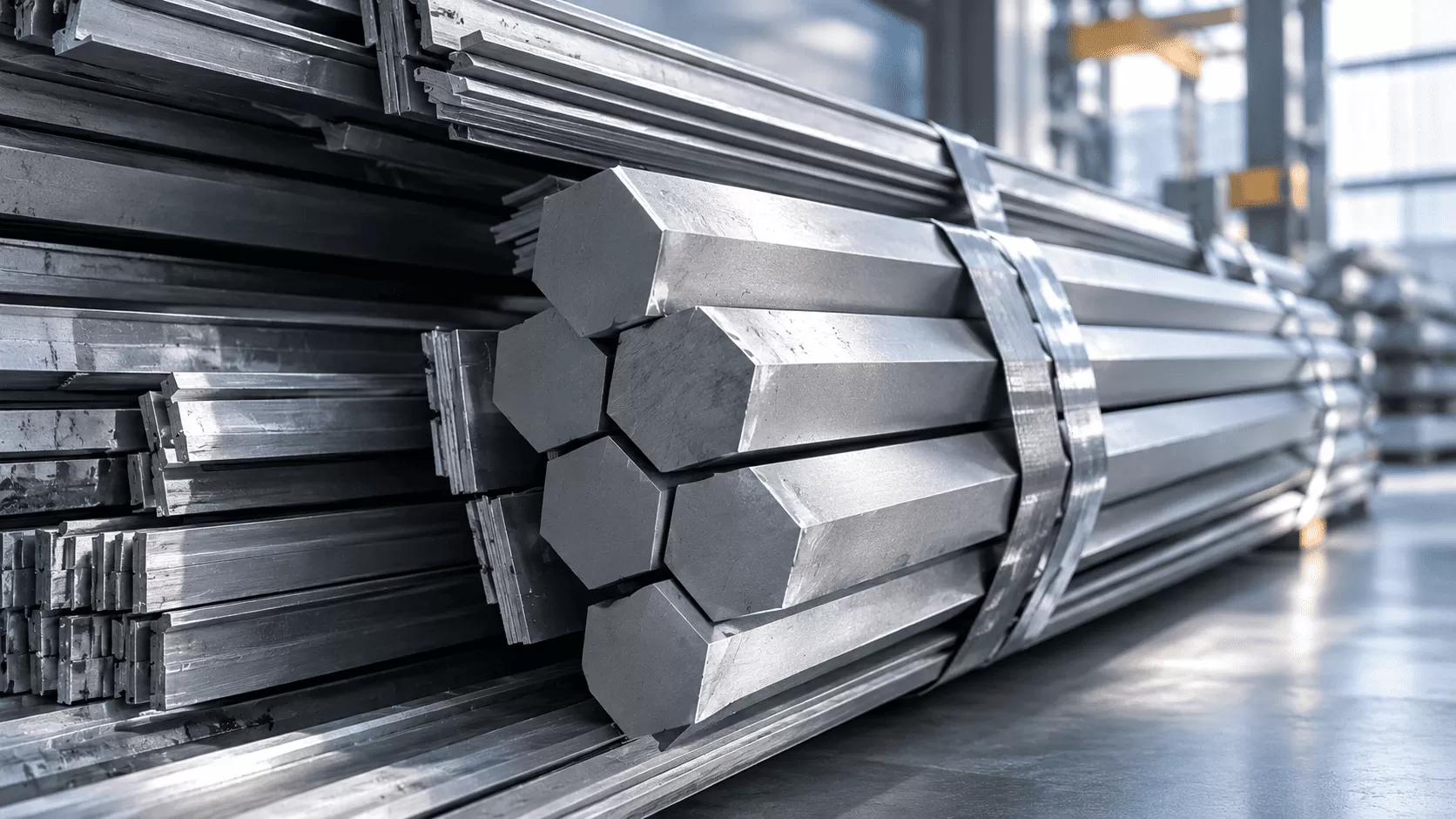
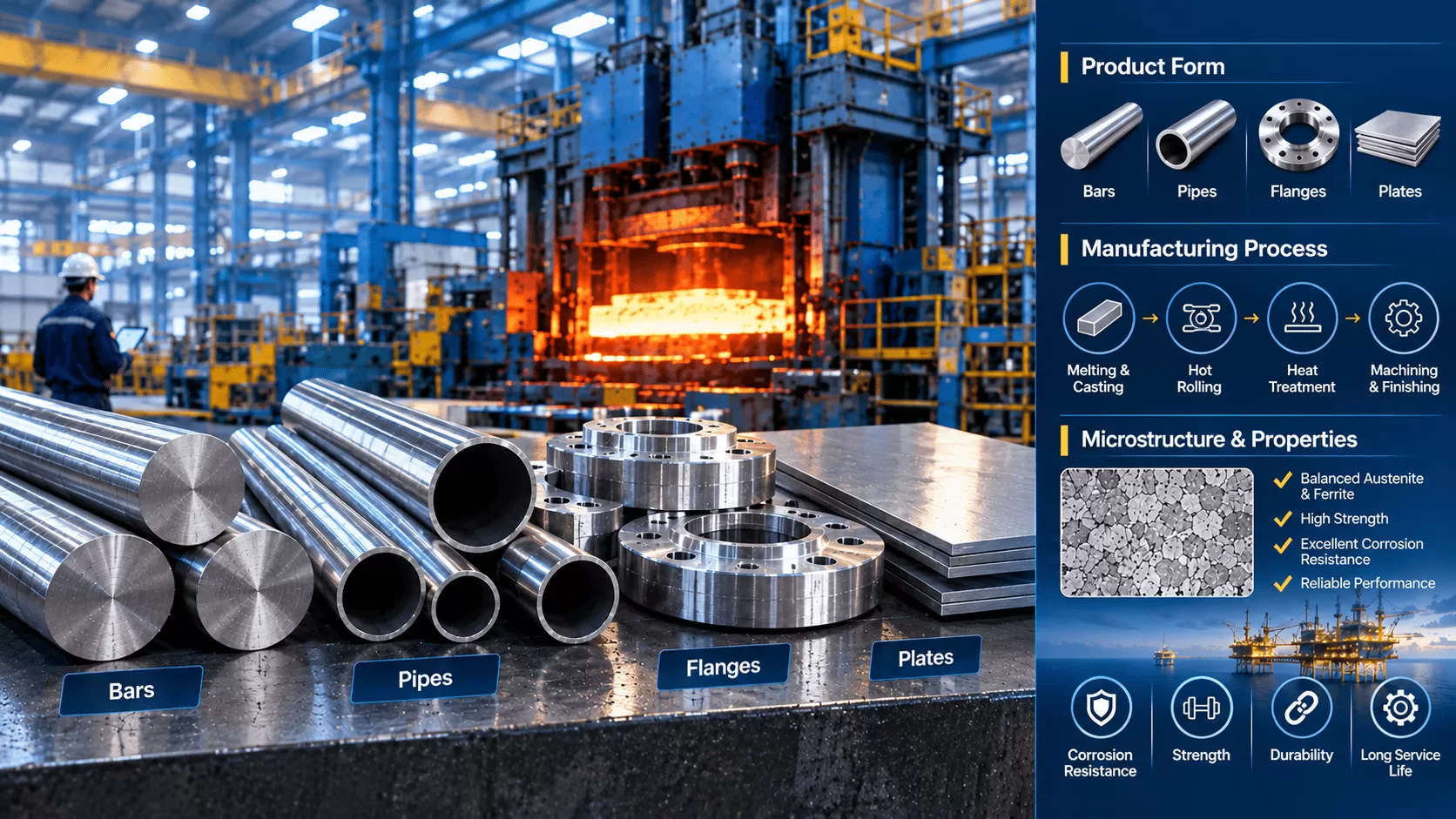
Nimonic 80A can be supplied in different forms depending on the application and manufacturing requirements. Common product forms include bars, plates, sheets, and forgings.
Explore our Nimonic 80A material page for additional material information, or view our nickel alloy bar and nickel alloy plate product ranges.
When sourcing Nimonic 80A, buyers should specify the material designation, product form, dimensions, quantity, applicable standard, delivery condition, and inspection requirements. For components exposed to elevated temperatures, the intended service temperature and mechanical property requirements are also important.
Providing these details helps ensure that the supplied material matches the intended manufacturing process and operating conditions.



25th floor, C3 Building, Wanda Plaza, Kaifu District, Changsha, Hunan Province, China
 en
 ko
 ru
 es
 ar
 hi