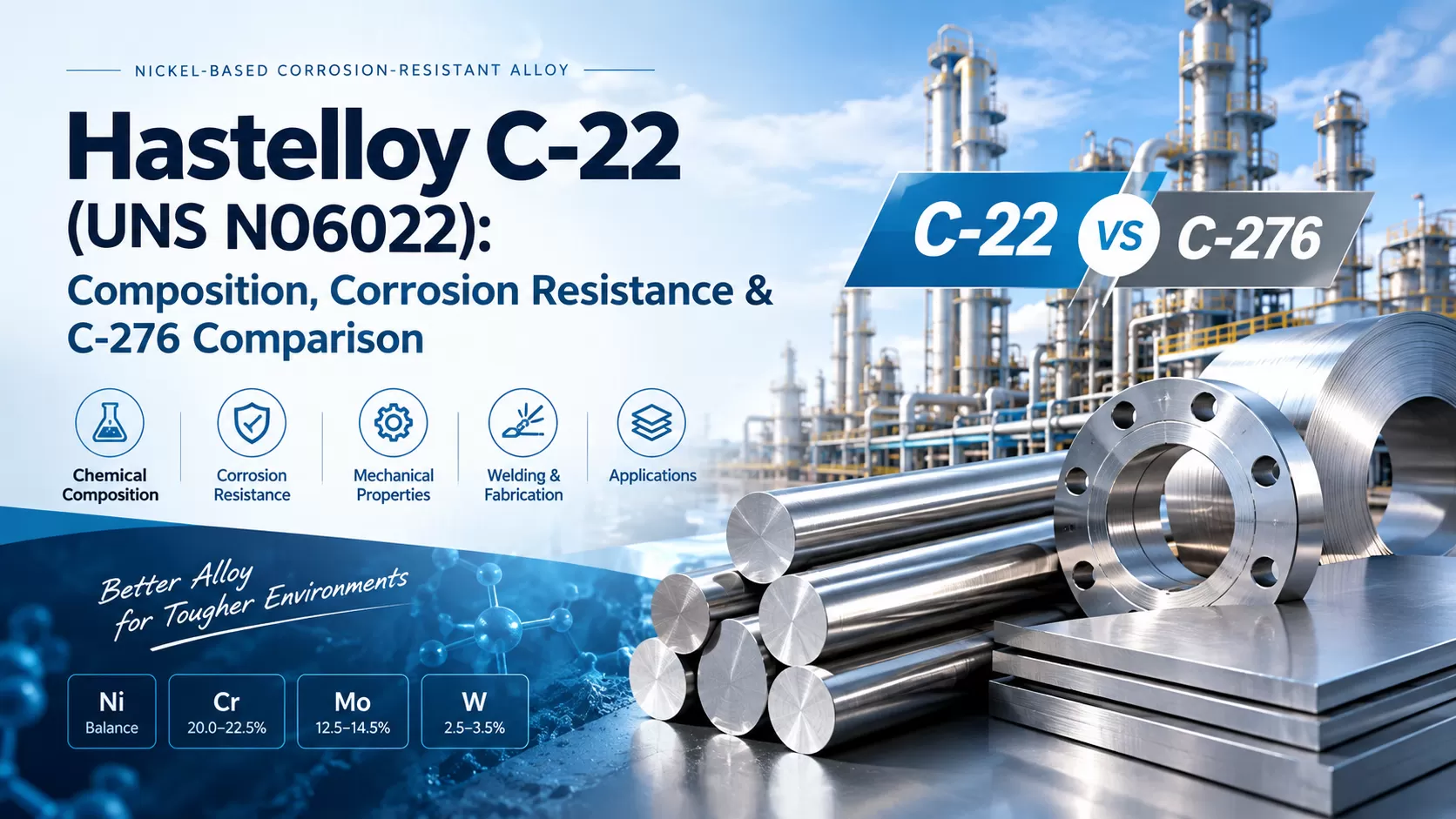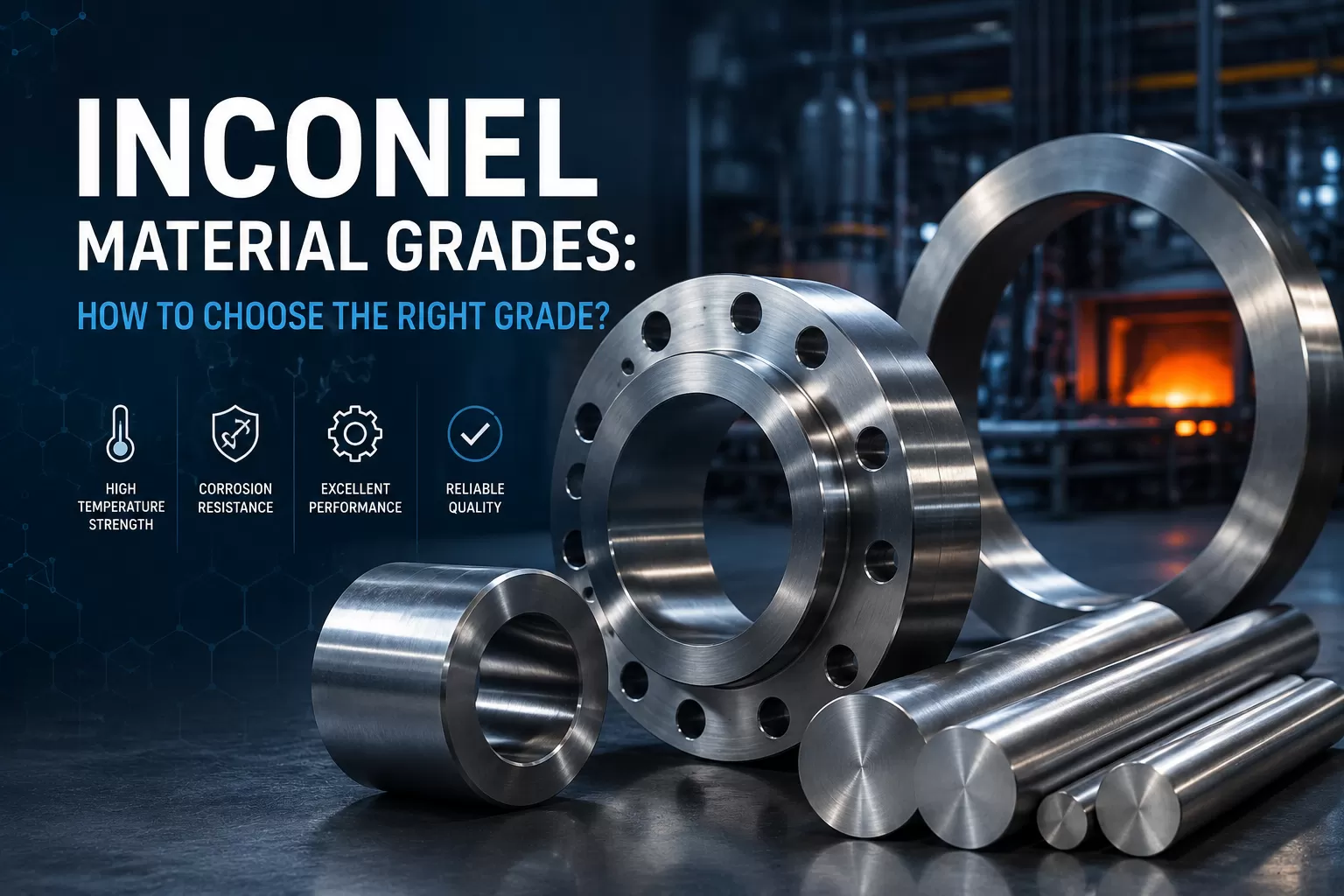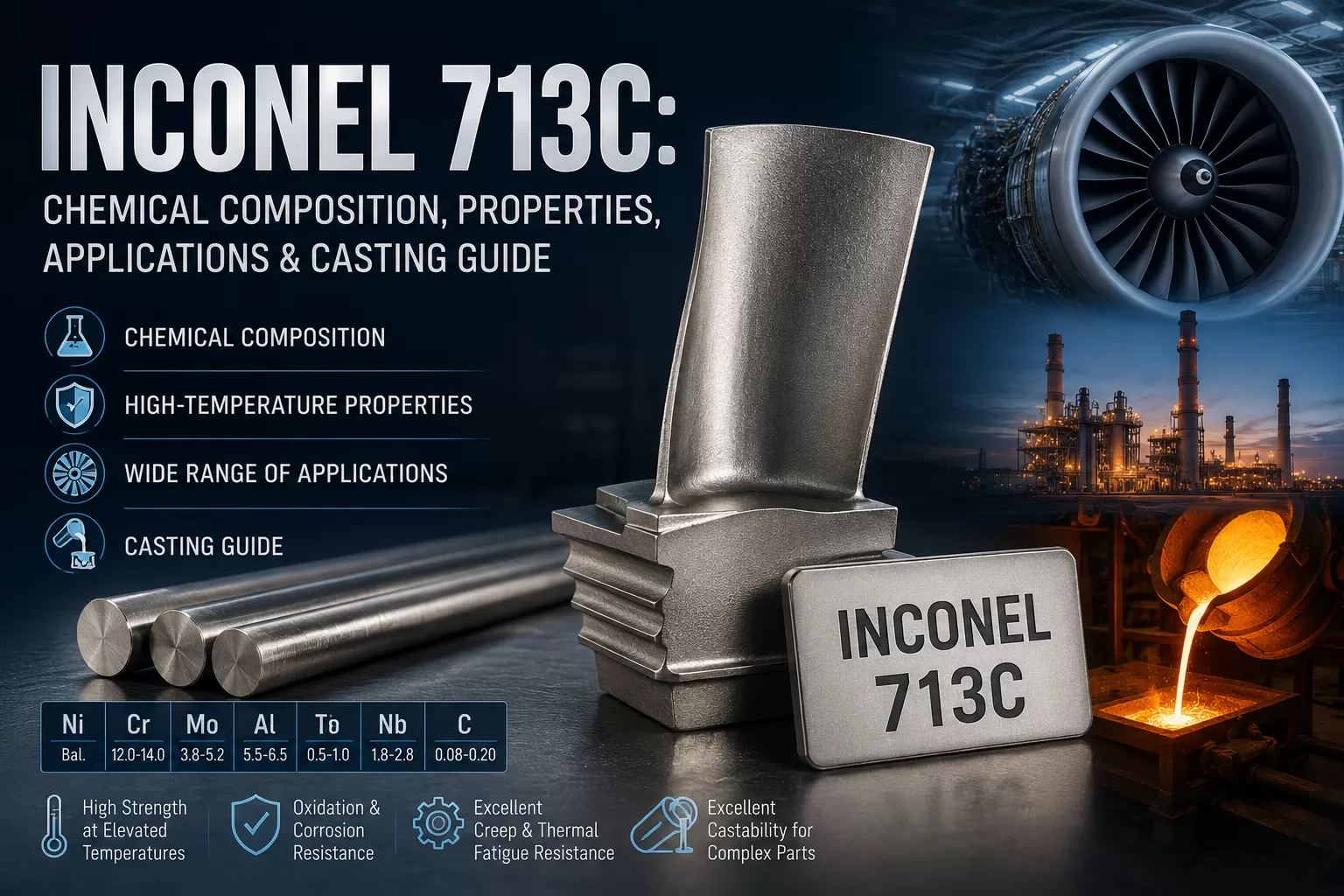
If you work in engineering, procurement, or manufacturing, you have likely encountered the terms “nickel alloy” and “Inconel” used interchangeably. This is a common—and potentially costly—misunderstanding. While these materials are closely related, they are not the same.
The short answer is: No, Inconel is not the same as nickel alloy. Inconel is a specific, trademarked subset of nickel alloys—not a synonym for the entire category. Think of it like the relationship between squares and rectangles: all Inconel is a nickel alloy, but not all nickel alloys are Inconel.
This guide explains the distinction in detail, helping you make informed material choices for your specific applications.
A nickel alloy is any metallic material in which nickel is the primary (base) element. By definition, any alloy containing 30% or more nickel by composition falls into this category. This is an expansive family that encompasses dozens of different alloy systems, each designed for different purposes.
Nickel alloys are used everywhere—from battery tabs in electronics and low‑temperature chemical tanks to automotive heating systems and general industrial components. The category includes pure nickel, nickel‑copper alloys, nickel‑iron alloys, nickel‑chromium alloys, and many others.
Inconel is a registered trademark of Special Metals Corporation. It refers specifically to a family of austenitic nickel‑chromium‑based superalloys engineered for extreme environments.
| Grade | Key Properties | Typical Service Temp |
|---|---|---|
| Inconel 600 | High‑nickel, high‑chromium; excellent resistance to oxidizing/reducing environments | Up to ~1090°C |
| Inconel 625 | Balanced Ni, Cr, Mo; suitable for high‑heat and corrosive conditions | Up to ~980°C |
| Inconel 718 | Precipitation‑hardening; excellent oxidation resistance and high strength | Up to ~705°C (aged) |
To truly understand the distinction, it helps to know that Inconel is just one of several specialized families within the broader nickel alloy category. Here are the other major players:
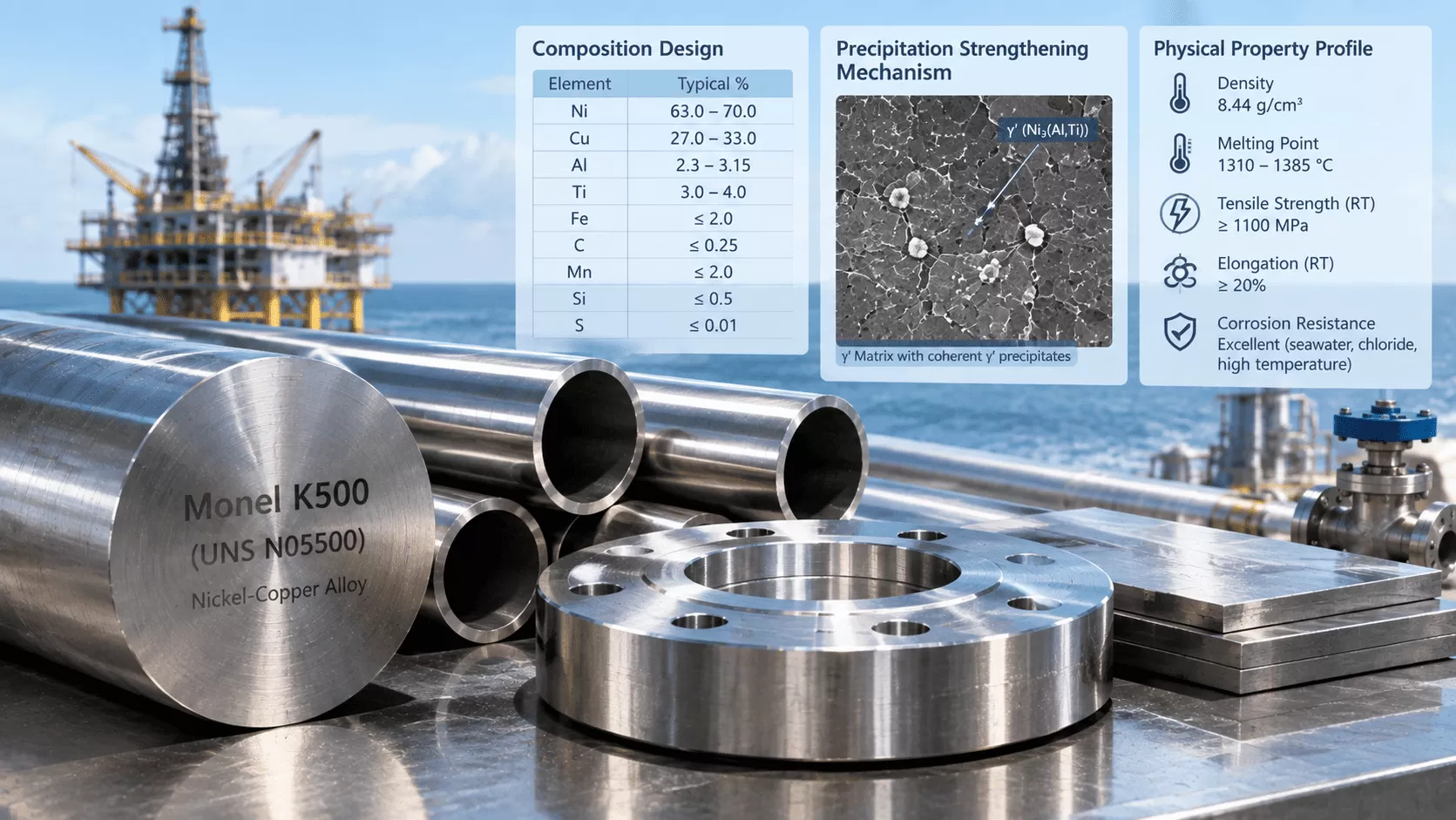
One source of confusion is how these alloys are named and sold. When an alloy is produced by the trademark holder (Special Metals Corporation), it is sold under the trademarked name—Inconel 625, Monel 400, Hastelloy C‑276, etc. When the same alloy composition is produced generically by other manufacturers (often because patents have expired), it is referred to by its generic alloy designation—Alloy 625, Alloy 400, Alloy C‑276, etc.
| Dimension | Nickel Alloy (Broad Category) | Inconel (Specialized Subset) |
|---|---|---|
| Definition | All alloys with nickel as the base element (Ni ≥ 30%) | Registered trademark of Special Metals Corp: nickel‑chromium superalloys (Ni ≥ 50%) |
| Composition Range | Flexible: Ni 30%–99.9%+; includes Ni‑Cu, Ni‑Fe, Ni‑Cr, pure nickel | Fixed formula: high Ni (≥50%), Cr (15%–25%), Mo (2%–10%), Nb/Ta (1%–5%) |
| Key Performance | Versatile—balances corrosion, conductivity, ductility, or moderate heat tolerance | Specialized—extreme high‑temperature stability (800°C–1200°C+), superior corrosion/oxidation resistance |
| Temperature Limit | Continuous use: 200°C–800°C | Continuous use: 800°C–1200°C |
| Typical Applications | Electronics, chemical tanks, automotive heating, general industrial | Aerospace turbines, nuclear reactors, ultra‑high‑temperature furnaces, deep‑sea drilling |
| Representative Grades | Ni200, Ni201, Monel 400, Hastelloy B/C | Inconel 600, 625, 718, X‑750 |
| Cost Level | Economical to mid‑range | Premium (2–5× higher than standard nickel alloys) |
The distinction between nickel alloy and Inconel is simple once you understand the hierarchy:
Nickel alloy is the broad category—the “metal family.” Inconel is a specific, trademarked member of that family—the “high‑performance specialist.”
All Inconel is a nickel alloy, but the vast majority of nickel alloys are not Inconel. Inconel is engineered for the most extreme conditions: searing heat, aggressive chemicals, and relentless corrosion. General nickel alloys offer versatility and cost‑effectiveness for a much wider range of everyday industrial applications.
When selecting materials for your next project, always consider the operating environment, temperature requirements, corrosion risks, and budget—not just the name on the datasheet.
2026-09-29 00:00:00
2026-09-30 00:00:00
2026-09-20 00:00:00



25th floor, C3 Building, Wanda Plaza, Kaifu District, Changsha, Hunan Province, China
 en
en
 ko
ko
 ru
ru
 es
es
 ar
ar
 hi
hi