 en
en
 ko
ko
 ru
ru
 es
es
 ar
ar
 hi
hi

Nickel alloys are the backbone of modern high‑performance engineering – from jet engines and nuclear reactors to chemical plants and deep‑sea equipment. With a global market exceeding US$17 billion in 2025, understanding nickel alloy grades, classification systems, and the best‑selling series is essential for engineers, purchasers, and designers. This guide breaks down the technical landscape into clear, actionable insights.
1. How Nickel Alloys Are Classified: Two Core Systems
Nickel alloys are categorised in two primary ways: by chemical composition (the main alloying elements) and by carbon content (for pure nickel grades). Both systems are critical for correct material selection.
1.1 Classification by Chemical Composition
| Alloy Type | Main Constituents | Representative Grades |
|---|---|---|
| Pure Nickel | Ni ≥ 99% | 200, 201 |
| Ni‑Cu | Nickel‑Copper | 400, K‑500 |
| Ni‑Mo | Nickel‑Molybdenum | B, B‑2, B‑3 |
| Ni‑Cr‑Fe | Nickel‑Chromium‑Iron | 600, 601, 800, 800H, 690 |
| Ni‑Cr‑Mo | Nickel‑Chromium‑Molybdenum | 625, C‑276, C‑22, C‑2000 |
| Ni‑Cr‑Fe‑Mo‑Cu | Ni‑Cr‑Fe‑Mo‑Cu | 825, G, G‑3, G‑30 |
Note: Nickel‑based alloys generally contain >50 wt% Ni, with some high‑performance grades exceeding 70 wt% Ni.
1.2 Carbon‑Content Grading for Pure Nickel
- Nickel 200 (high carbon, C ≤ 0.15%) – recommended for service up to ~315°C (600°F).
- Nickel 201 (low carbon, C ≤ 0.02%) – designed for elevated temperatures above 315°C, preventing graphitisation up to ~1000°F.
In some national standards (e.g., Chinese GB), the prefix '0' indicates C ≤ 0.08%, while '00' signifies C ≤ 0.03%.
2. The Four Best‑Selling Nickel Alloy Series (Global Market Leaders)
Based on global sales volume and industry adoption, four series dominate the nickel alloy market. Each is tailored to specific service environments.
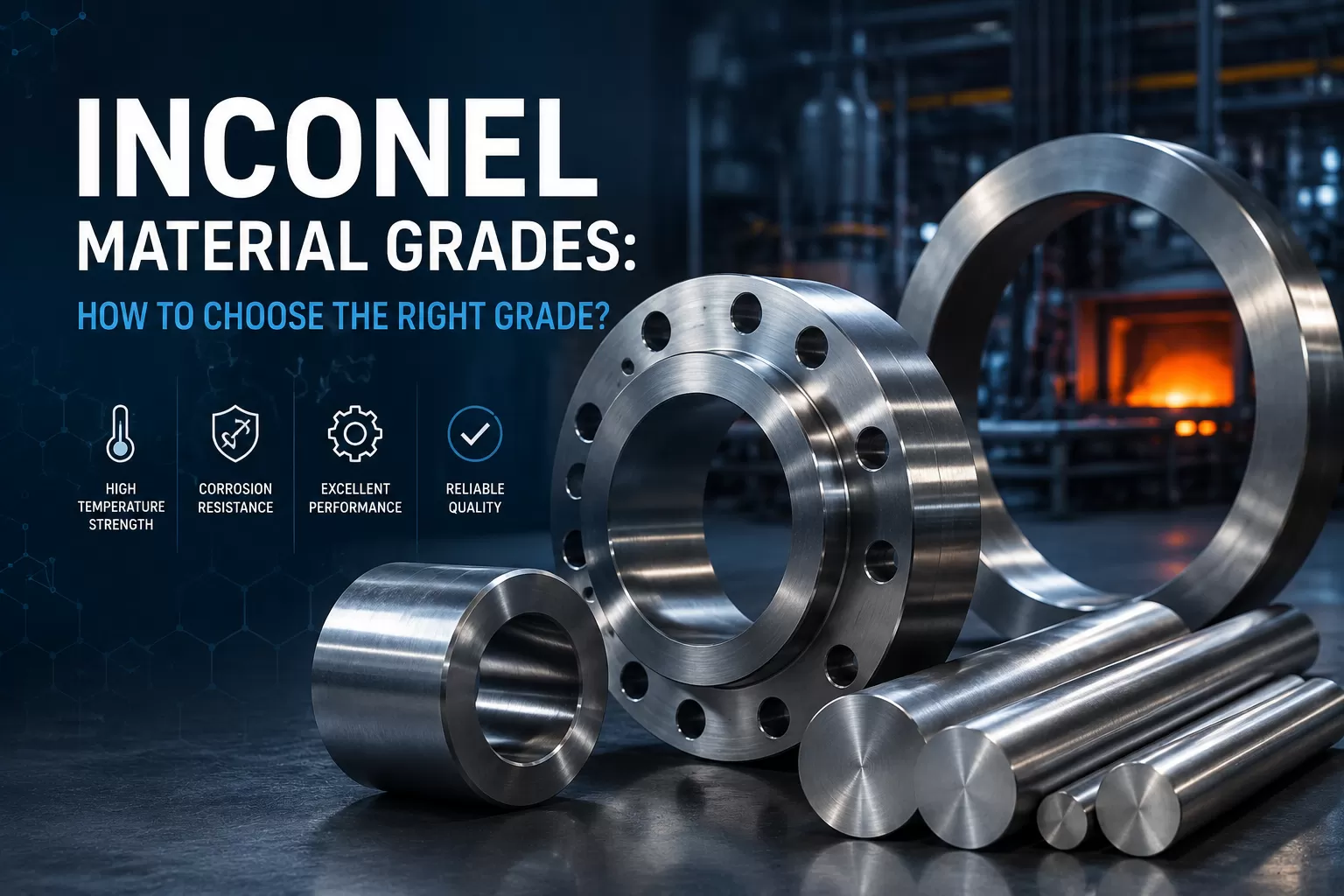
2.1 Inconel® – The King of High‑Temperature Alloys
Inconel is a trademark of Special Metals Corporation. These nickel‑chromium‑based superalloys are renowned for oxidation resistance and creep strength at temperatures up to 1000°C. They are the first choice for aerospace, gas turbines, and high‑temperature process equipment.
| Grade | Key Properties | Typical Applications |
|---|---|---|
| Inconel 600 | Solid‑solution strengthened; resists high‑temperature oxidation and caustic corrosion | Chemical process equipment, organic chloride reactors |
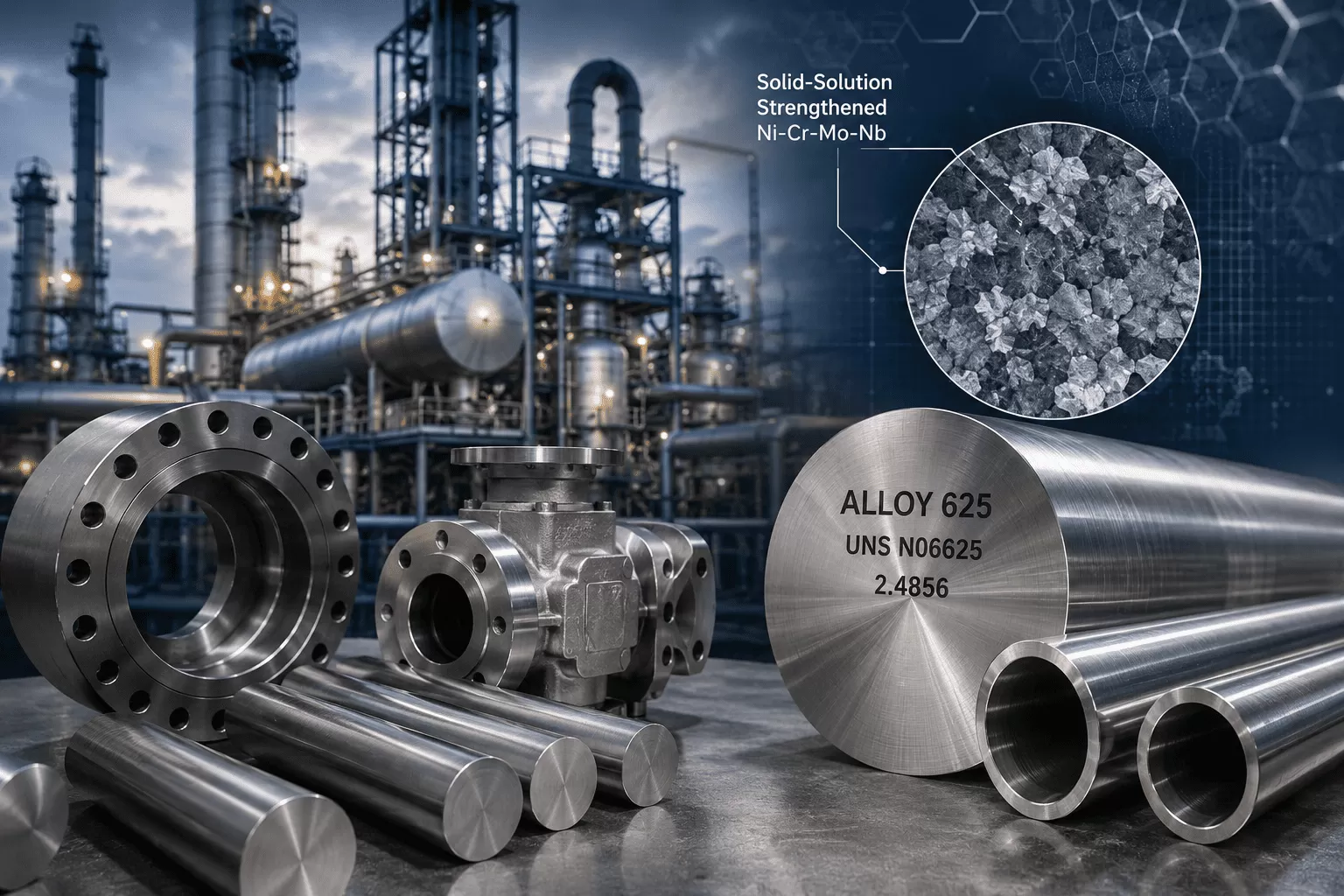
| Inconel 625 | Mo + Nb additions; excellent pitting resistance and fatigue strength from –196°C to 980°C | Bellows, marine engineering, cryogenic services |
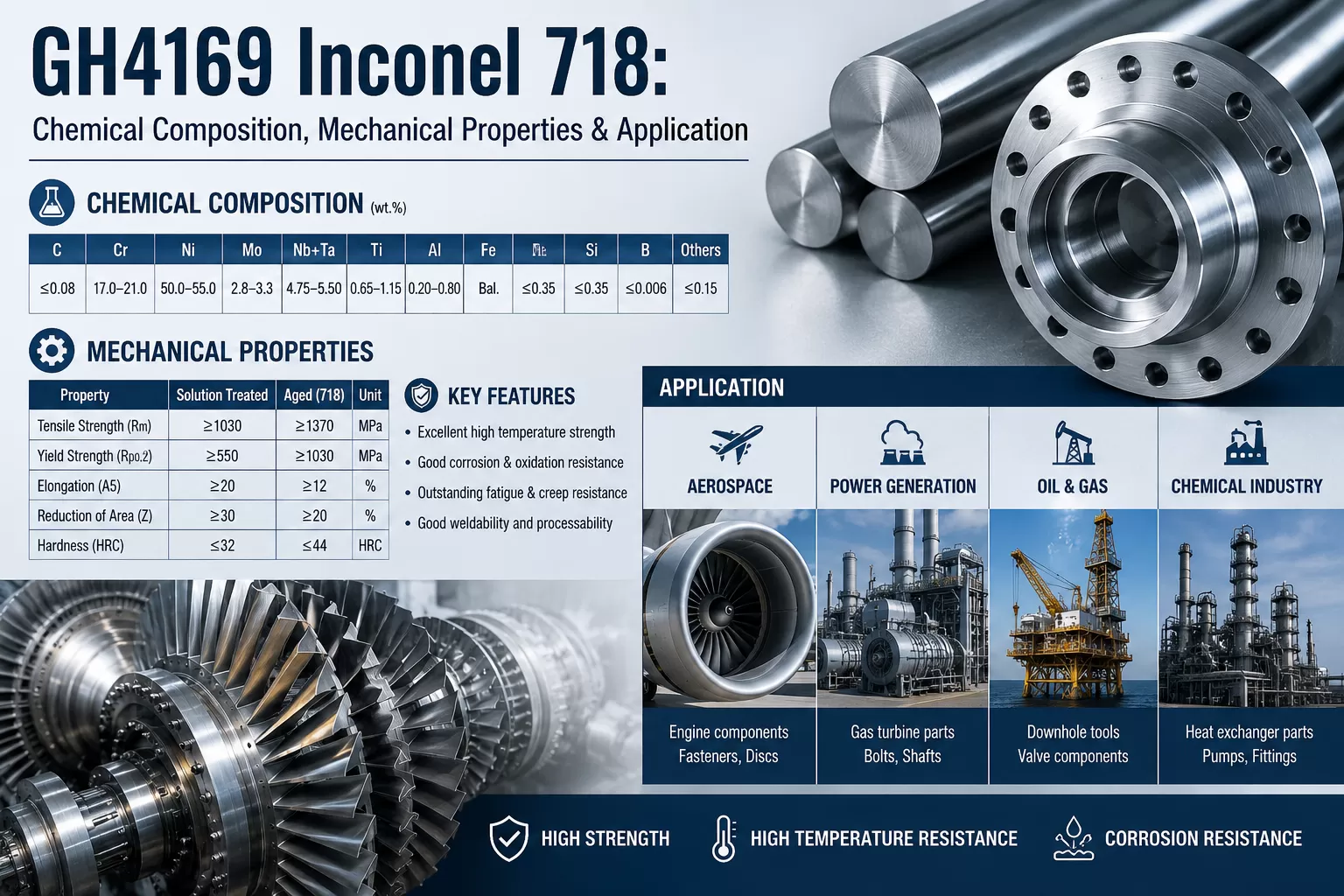
| Inconel 718 | Precipitation‑hardenable; exceptional strength at intermediate temperatures (up to ~700°C) | Aerospace, rocket components, gas turbines |
| Inconel X‑750 | Precipitation‑hardened; retains high strength up to 980°C | High‑temperature springs, fasteners |
| Inconel 690 | High chromium (~30%) for superior oxidation and corrosion resistance | Nuclear applications, hot concentrated sulphuric acid |
2.2 Hastelloy® – The Ultimate Corrosion Fighter
Hastelloy is a trademark of Haynes International. It is divided into three sub‑families: B (reducing acids), C (oxidising + reducing environments), and G (sulphuric/phosphoric acids). Second‑generation grades like C‑276 and B‑2 are widely used, while third‑generation alloys (B‑3, C‑59) are gaining market share.
| Sub‑series | Grade | Key Features | Typical Uses |
|---|---|---|---|
| B | B‑2 (N10665) | Ultra‑low C and Si; withstands hydrochloric acid at all concentrations | HCl distillation, acetic acid production |
| C | C‑276 (N10276) | Resists both oxidising and reducing acids; excellent intergranular corrosion resistance | Petrochemical, severe corrosive media |
| C | C‑22 (N06022) | Broader corrosion resistance than C‑276 | General‑purpose corrosion‑resistant equipment |
| C | C‑2000 | Newer C‑family alloy with improved resistance | Extremely harsh corrosive environments |
| G | G‑3 / G‑30 | Resistance to sulphuric and impure phosphoric acid | Phosphate and sulphuric acid industries |
2.3 Monel® – The Marine Engineering Champion
Monel is a nickel‑copper alloy (Ni ≈ 60–70%, Cu ≈ 20–30%), first developed in 1905. It is often called the 'ancestor' of modern nickel alloys and remains unmatched in seawater and hydrofluoric acid services.
| Grade | Key Properties | Typical Applications |
|---|---|---|
| Monel 400 | Outstanding resistance to seawater and hydrofluoric acid | Seawater piping, sulphuric acid handling |
| Monel K‑500 | Precipitation‑hardened; higher strength and hardness than 400 | Valves, pump shafts, marine hardware |
2.4 Incoloy® – Oxidation and Corrosion Resistant Alloys
Incoloy is a Ni‑Cr‑Fe family with higher iron content (sometimes ~30%). It offers a balanced combination of high‑temperature strength and corrosion resistance, making it a cost‑effective alternative for less extreme environments.
| Grade | Key Properties | Typical Applications |
|---|---|---|
| Incoloy 800 / 800H / HT | Resists sulphuric/phosphoric acid and high‑temperature sulphidation | Petrochemical high‑temperature equipment |
| Incoloy 825 | Excellent performance in sulphuric and phosphoric acid media | Acid production, chemical tankers |
3. Quick Selection Guide by Service Environment
Choosing the right nickel alloy grade depends on the primary service condition. Use this decision matrix as a starting point:
| Service Environment | Recommended Series | Typical Grades |
|---|---|---|
| High temperature (>800°C) | Inconel | 600, 625, 718, X‑750 |
| Severe corrosive (acids, oxidising/reducing) | Hastelloy | C‑276, C‑22, B‑2, G‑30 |
| Seawater / marine / hydrofluoric acid | Monel | 400, K‑500 |
| Sulphuric / phosphoric acid | Incoloy | 800, 800H, 825 |
For applications involving both high temperature and aggressive corrosion (e.g., flue gas desulphurisation, waste‑to‑energy plants), Inconel 625 and Hastelloy C‑276 are often the preferred choices due to their dual‑performance capability.
4. Key Technical Parameters at a Glance
The following table summarises the critical mechanical and physical properties of the most widely specified grades:
| Grade | Tensile Strength (MPa) | Yield Strength (MPa) | Elongation (%) | Max Service Temp (°C) | Density (g/cm³) |
|---|---|---|---|---|---|
| Inconel 625 | 830 | 415 | 30 | 980 | 8.44 |
| Inconel 718 | 1,240 | 1,035 | 12 | 700 | 8.19 |
| Hastelloy C‑276 | 690 | 310 | 40 | 540 | 8.89 |
| Hastelloy B‑2 | 760 | 350 | 40 | 425 | 9.22 |
| Monel 400 | 550 | 240 | 35 | 425 | 8.80 |
| Monel K‑500 | 960 | 690 | 20 | 425 | 8.44 |
| Incoloy 825 | 586 | 241 | 30 | 540 | 8.14 |
| Incoloy 800H | 450 | 170 | 30 | 980 | 7.94 |
Note: Values are typical for annealed condition at room temperature. Actual properties may vary by heat treatment and product form.
5. Market Trends & Future Outlook
- Market size: The global nickel alloy market was valued at approximately US$17 billion in 2025, with a projected CAGR of 5.2% through 2032.
- Localisation push: In China, the self‑sufficiency rate for high‑performance nickel alloys increased from ~45% (2020) to ~68% (2025), driven by domestic aerospace and energy programs.
- Third‑generation alloys: Grades like Hastelloy B‑3 and C‑59 are gradually replacing older B‑2 and C‑276 in highly demanding chemical processes due to improved thermal stability and fabrication windows.
- Additive manufacturing: Nickel‑based superalloy powders (e.g., Inconel 718, Hastelloy X) for laser powder‑bed fusion and directed‑energy deposition are the fastest‑growing segment, with annual growth exceeding 20%.
- Sustainability: Recycling and closed‑loop production of nickel alloys are gaining traction, with some producers now offering low‑carbon nickel grades with a reduced CO₂ footprint.
6. Making the Right Choice
Selecting the optimal nickel alloy grade requires balancing service temperature, corrosive media, mechanical loads, and cost. The four series covered in this guide – Inconel, Hastelloy, Monel, and Incoloy – address the vast majority of industrial demands. For extreme environments, always consult with material suppliers and review up‑to‑date corrosion data. With the rapid evolution of third‑generation alloys and additive manufacturing feedstocks, the nickel alloy landscape continues to expand, offering engineers more tools than ever to solve the toughest material challenges.
Key takeaway: Understand your service environment first, then match it to the right alloy series – and always verify with certified technical data sheets for your specific operating conditions.