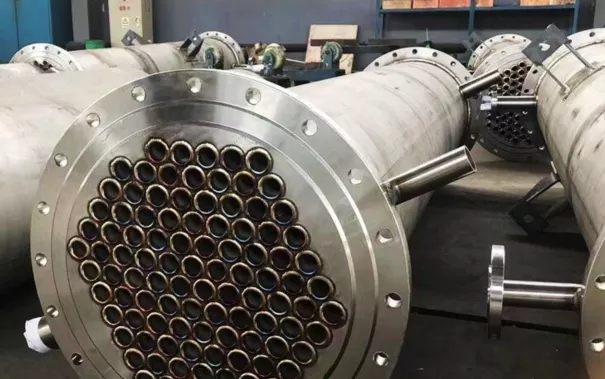
If you’ve ever worked in chemical processing, offshore engineering, nuclear power, or aerospace, you know how costly it can be to choose the wrong heat exchanger tube material. The consequences extend far beyond leaks, sometimes leading to a complete plant shutdown or serious safety incidents. Ordinary stainless steel or copper alloys often fail under high temperatures, in chloride-rich environments, or when exposed to highly acidic media. In these conditions, nickel alloy heat exchanger tubes prove indispensable.
Nickel alloys typically contain more than 50% nickel, providing a unique combination of corrosion resistance, high-temperature strength, and immunity to stress corrosion cracking. Whether facing chloride attack in seawater cooling systems or the harsh acidic conditions of flue gas desulfurization units, nickel alloy tubes perform reliably. Their value lies not in cost savings, but in delivering performance where other materials simply cannot.
Here’s a closer look at why nickel alloy heat exchanger tubes are so effective, which grades to choose, the standards to follow, and current market trends.
Instead of diving straight into technical parameters, let’s focus on practical advantages that make nickel alloy tubes indispensable:
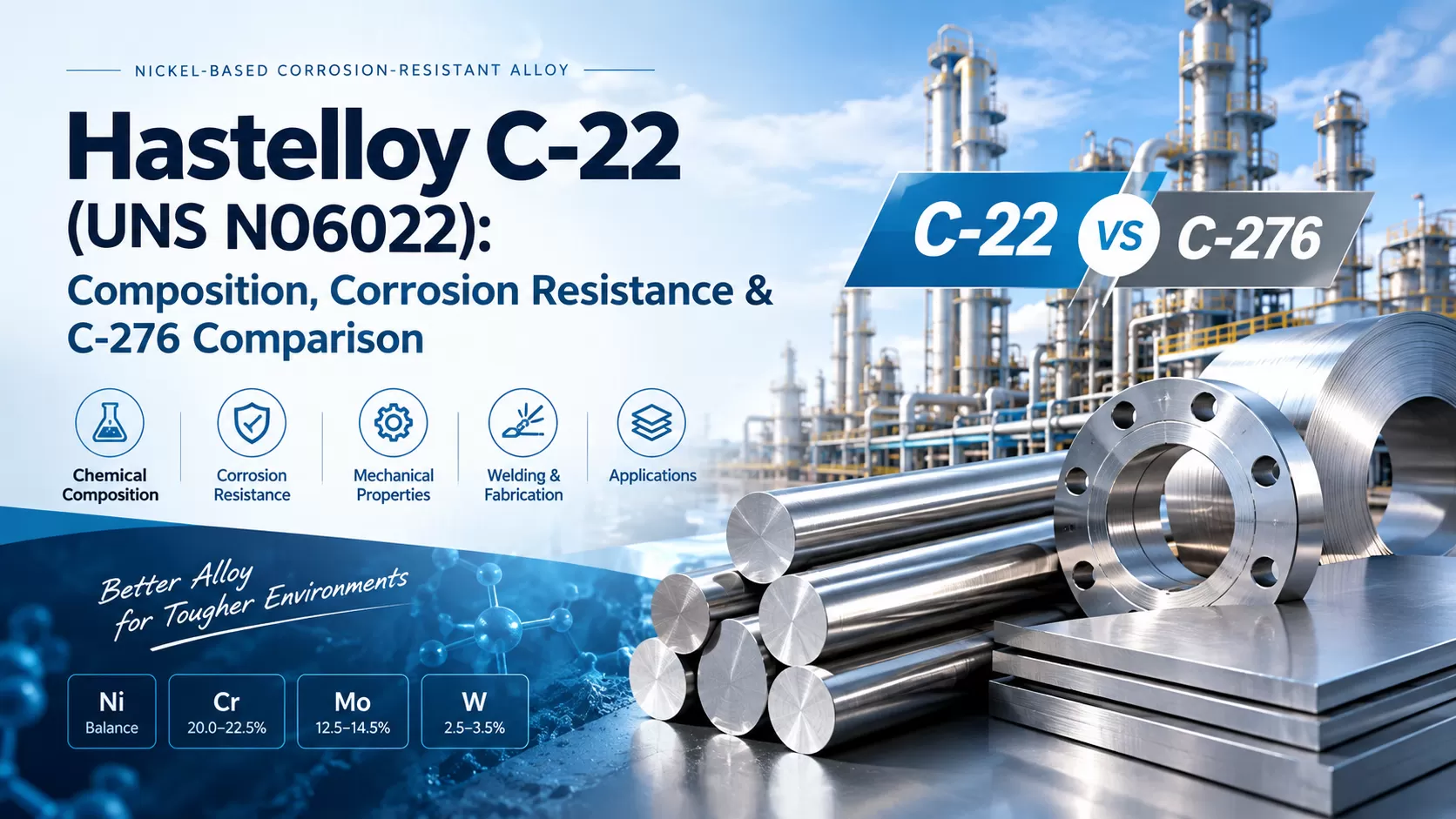
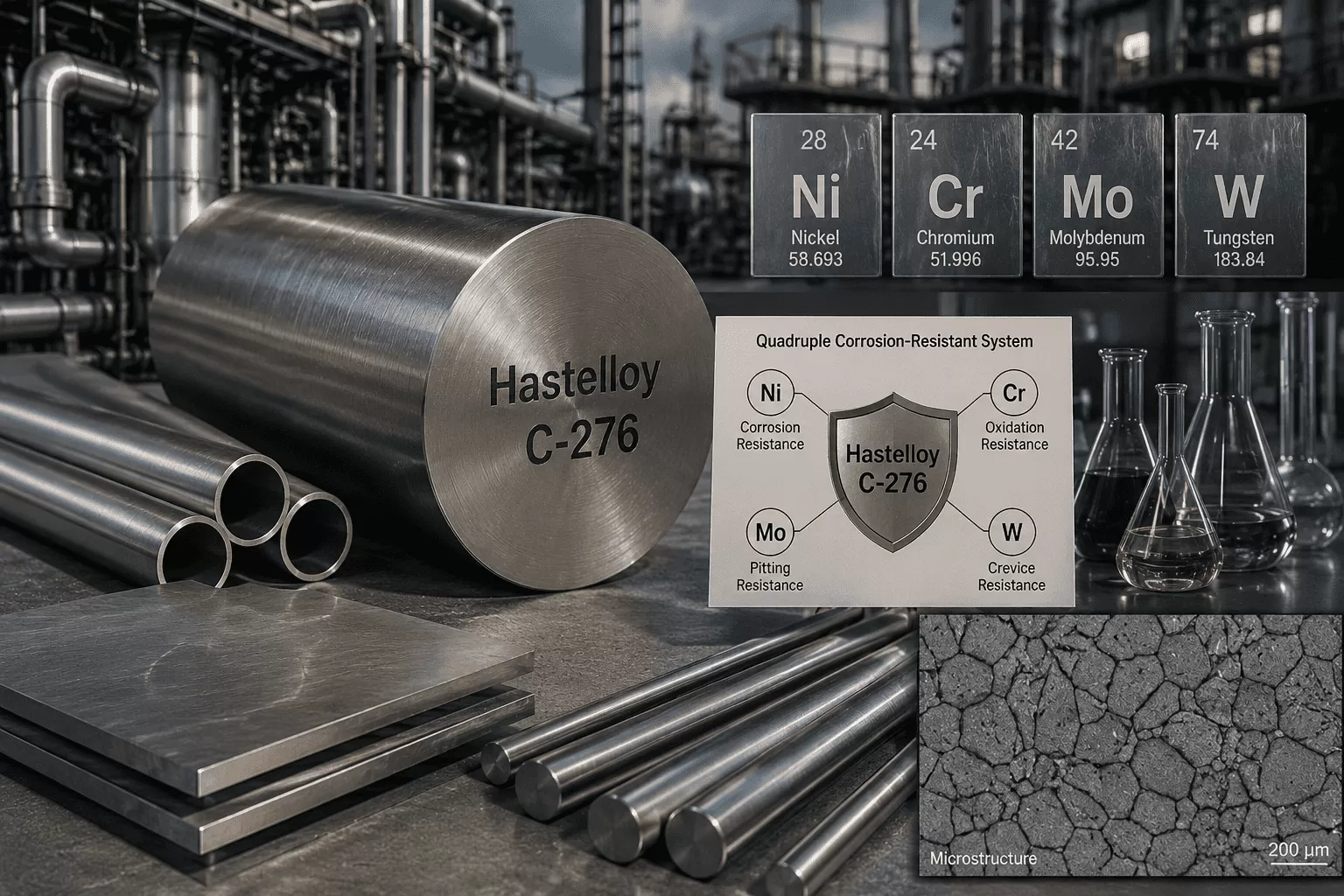
Nickel alloys handle strong acids, strong bases, saline solutions, and chloride-rich media. They are particularly resistant to stress corrosion cracking , a common problem for ordinary stainless steel. For instance, Hastelloy C-276 performs exceptionally well even in highly corrosive ferric chloride or copper chloride solutions.
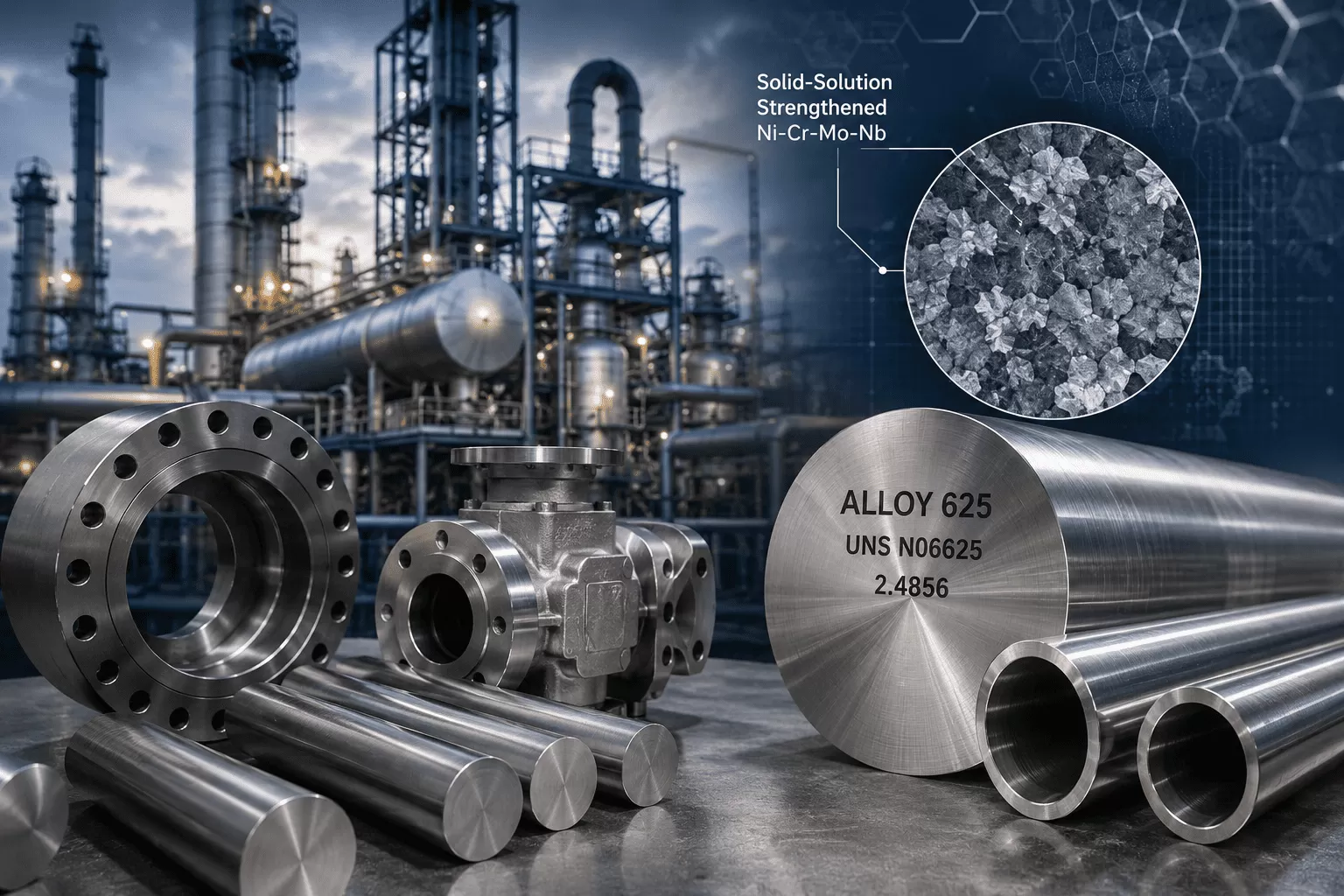
Above 540°C, many stainless steels lose strength quickly, and creep resistance declines sharply. Nickel alloys, however, maintain their mechanical properties under extreme heat. Inconel 625, for example, retains considerable strength even near 1000°C, while Incoloy 800 can operate long-term at elevated temperatures without structural degradation. This makes them ideal for superheaters, steam generators, and other critical high-temperature applications.
Pure nickel 200 has a thermal conductivity of roughly 91 W/(m·K), lower than copper (~400 W/(m·K)). But in practice, "effective service life" matters more. Ordinary copper tubes may corrode through in months under seawater conditions, losing all heat transfer capacity. Nickel alloy tubes, on the other hand, can provide reliable heat transfer for years, even decades. Over a full lifecycle, their performance and cost-effectiveness are often superior.
Different nickel alloys gain unique properties from added elements like chromium, molybdenum, copper, and niobium. The four most widely used grades are:
| Grade | UNS Number | Key Composition | Summary | Typical Applications |
|---|---|---|---|---|
| Monel 400 | N04400 | Ni 67% + Cu 23% | Resistant to seawater, hydrofluoric acid, and alkaline solutions; stable up to 550°C | Marine heat exchangers, seawater cooling bundles, chemical piping |
| Alloy 600 | N06600 | Ni 72% + Cr 14–17% | Excellent resistance to high-temperature oxidation, chlorination, and hydrochloric acid | Vinyl chloride production exchangers, high-temperature seals |
| Inconel 625 | N06625 | Ni + Cr 20–23% + Mo 8–10% + Nb 3–4% | Exceptional high-temperature strength; outstanding pitting and crevice corrosion resistance | Nuclear steam generators, petrochemical exchangers, offshore equipment |
| Hastelloy C-276 | N10276 | Ni + Cr 14.5–16.5% + Mo 15–17% + W 3–4.5% | Excellent resistance to oxidizing and reducing corrosion; strong SCC resistance | Flue gas desulfurization exchangers, chemical reactors, pulp & paper equipment |
Procurement engineers need clear standards. Nickel alloy heat exchanger tubes must comply with ASTM/ASME specifications and come with Material Test Reports (MTRs) for traceability and audit compliance.
The nickel alloy heat exchanger tube market is growing steadily. According to Research and Markets, the global shell-and-tube heat exchanger market will exceed $9.2 billion by 2030, with nickel alloys accounting for a growing share. Nickel-based tubes are projected to grow at a CAGR of 4.6%, reaching $2.9 billion by 2027. Between 2025 and 2035, the CAGR for nickel heat exchangers is about 5.9%.
Many suppliers offer nickel and stainless steel heat exchanger tubes, but few can provide all mainstream grades, complete certifications, and fast delivery.
Ronsco specializes in nickel alloy and stainless steel tubes, particularly small-diameter seamless and U-tubes for heat exchangers.
Visit https://www.alloy-ronsco.com/ or contact their technical support to discuss your process conditions. They can help you select the right material efficiently.
Nickel alloy heat exchanger tubes are not universal, but under extreme conditions, they are almost the only reliable choice. As industries move toward higher temperature, pressure, and corrosive environments, nickel alloy tubes are becoming standard in critical equipment. Understanding their properties and selection logic provides significant benefits, and Ronsco can guide you from material selection to delivery.
2026-09-04 16:07:31
2026-09-03 16:46:28
2026-08-31 00:00:00



25th floor, C3 Building, Wanda Plaza, Kaifu District, Changsha, Hunan Province, China
 en
en
 ko
ko
 ru
ru
 es
es
 ar
ar
 hi
hi